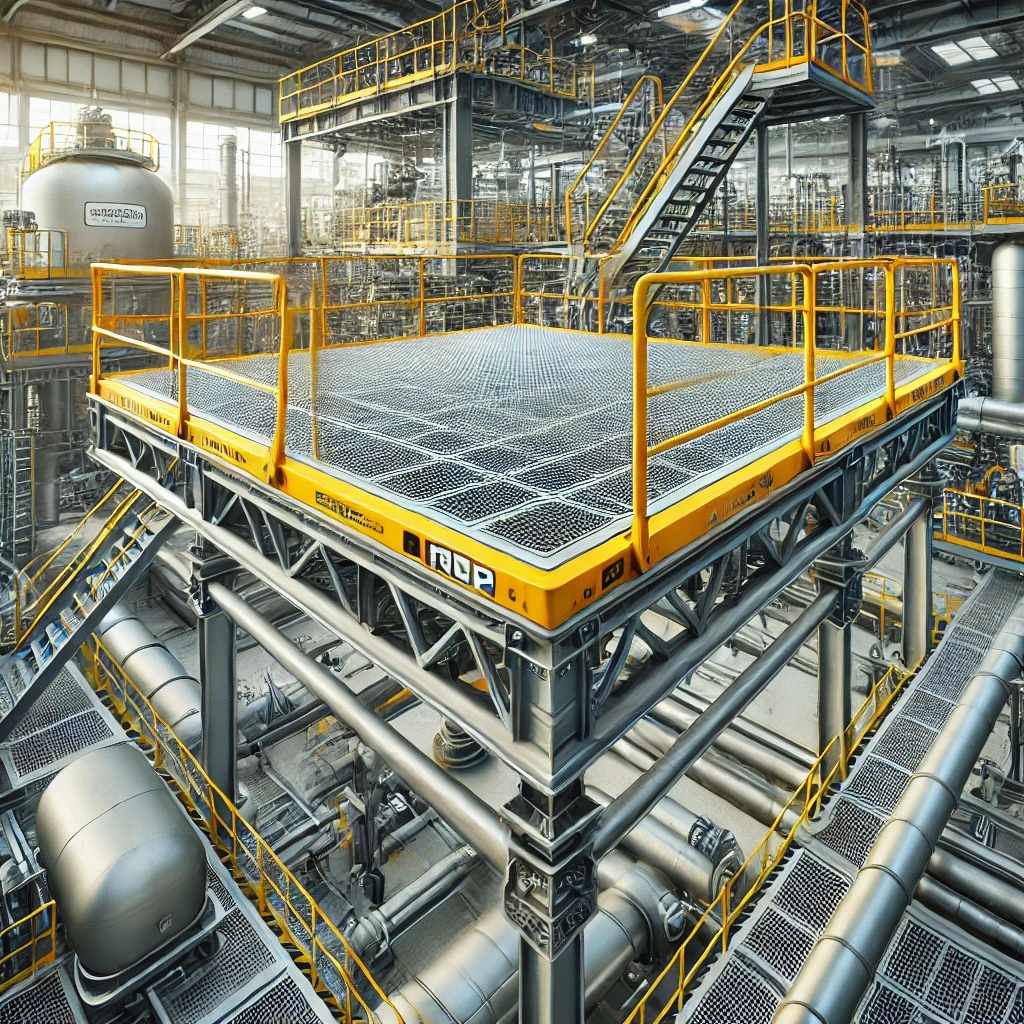
Industrial environments are getting tougher—not just in terms of regulations, but in how materials are expected to perform over time. I’ve worked with teams across manufacturing, utilities, and processing facilities that faced a similar problem: traditional steel platforms were becoming liabilities rather than assets.
Corrosion, safety risks, frequent maintenance shutdowns, and rising lifecycle costs kept showing up as recurring pain points. That’s usually when the conversation shifts toward FRP platforms.
In this article, I’ll break down what FRP platforms are, why so many industries are replacing steel with them, where they perform best, and what you should realistically consider before choosing one. My goal is to help you make an informed decision—not overwhelm you with specs.
What Is an FRP Platform?
An FRP platform is a structural access system made from fiber-reinforced polymer composites. Instead of relying on metal, FRP uses a combination of high-strength fibers (typically fiberglass) embedded in a polymer resin matrix.
What makes FRP platforms different is not just the material—it’s how that material behaves in real-world industrial environments.
Unlike steel platforms, FRP platforms:
Do not rust or corrode
Are significantly lighter
Are non-conductive
Require minimal ongoing maintenance
In practical terms, this means FRP platforms are designed to hold up in environments where moisture, chemicals, salt, or electrical exposure would quickly degrade traditional materials.
Why Are FRP Platforms Replacing Steel in Many Industries?
Steel has been the default for decades, but defaults change when conditions do.
In many of the facilities I’ve worked with, steel platforms performed well initially—but their long-term performance told a different story. Corrosion alone can turn a safe access system into a safety hazard far earlier than expected.
Here’s how FRP platforms compare to steel in the areas that matter most:
FeatureFRP PlatformsSteel PlatformsCorrosion resistanceExcellentPoor in harsh environmentsWeightLightweightHeavyElectrical conductivityNon-conductiveConductiveMaintenanceLowHighInstallation timeFasterSlowerLifecycle costLowerHigher over time
The biggest shift I’ve seen is how companies evaluate total cost of ownership. Even if steel looks cheaper upfront, FRP often wins once you factor in reduced maintenance, fewer shutdowns, and longer service life.
Where Are FRP Platforms Commonly Used?
FRP platforms are not a niche solution anymore. They are widely used in industries where durability, safety, and environmental resistance are critical.
Common applications include:
Chemical processing plants exposed to corrosive substances
Wastewater treatment facilities with constant moisture and chemical exposure
Oil and gas refineries where safety and non-conductivity matter
Power plants with electrical hazards
Marine and offshore structures exposed to saltwater
Food and beverage processing facilities requiring clean, non-corrosive surfaces
In these environments, FRP platforms tend to outlast traditional materials while maintaining consistent performance.
How Safe Are FRP Platforms?
Safety is usually the deciding factor—and rightly so.
FRP platforms are engineered with multiple safety advantages built into the material itself rather than added later.
From what I’ve seen, key safety benefits include:
Slip-resistant surfaces, even when wet or oily
Non-conductive properties, reducing electrical risk
Consistent load performance without hidden corrosion
Fire-retardant resin options for specific environments
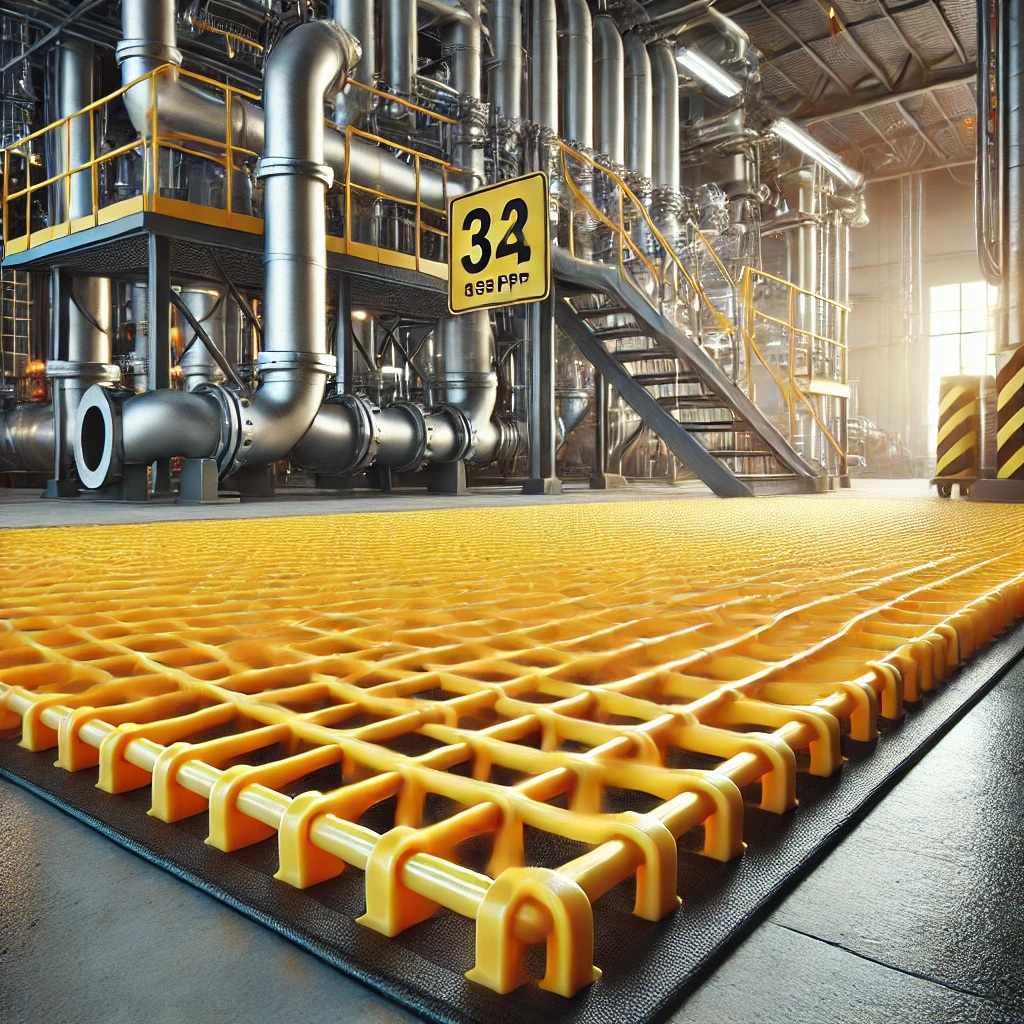
Many FRP platforms use molded or grit-embedded grating surfaces that significantly reduce slip incidents. In facilities where water, chemicals, or oils are unavoidable, this alone can make a noticeable difference in workplace safety.
What Are the Key Benefits of FRP Platforms?
When decision-makers ask me why FRP platforms are worth considering, I usually bring it back to five core benefits.
1. Corrosion Resistance
FRP platforms do not rust, pit, or flake. This makes them ideal for aggressive environments where steel degrades quickly.
2. Longer Service Life
Because the material does not break down the same way metal does, FRP platforms often last far longer with consistent performance.
3. Lower Lifecycle Costs
Less maintenance, fewer repairs, and reduced downtime translate into real savings over time.
4. Lightweight Design
FRP platforms are much lighter than steel, which simplifies transportation, handling, and installation.
5. Improved Safety
Slip resistance, non-conductivity, and structural consistency all contribute to a safer working environment.
Taken together, these benefits explain why FRP platforms are no longer considered an alternative—but a preferred solution in many sectors.
Are FRP Platforms Customizable?
One of the most common misconceptions is that FRP platforms are “off-the-shelf only.” In reality, they are highly adaptable.
Most FRP platforms can be customized based on:
Platform size and layout
Load requirements
Surface type and color
Environmental exposure
Modular or fixed configurations
This flexibility makes FRP platforms suitable for both new construction projects and retrofitting existing facilities without major structural changes.
What Should You Consider Before Choosing an FRP Platform?
While FRP platforms offer clear advantages, they are not one-size-fits-all. Before making a decision, I always recommend evaluating a few key factors.
Load Requirements
Understand both static and dynamic loads. FRP platforms can handle heavy loads, but specifications must match your use case.
Environmental Conditions
Chemical exposure, UV radiation, temperature fluctuations, and moisture levels all influence material selection.
Compliance and Standards
Make sure the platform design aligns with relevant safety and industry standards applicable to your facility.
Installation Environment
Access constraints, existing structures, and installation timelines can affect design choices.
The more clearly these factors are defined upfront, the smoother the selection and installation process tends to be.
How Do FRP Platforms Support Long-Term Operational Efficiency?
Beyond safety and durability, FRP platforms contribute to operational efficiency in ways that are often overlooked.
Because they require less maintenance, facilities experience:
Fewer shutdowns
Reduced inspection frequency
Lower repair costs
More predictable asset performance
Over time, this reliability becomes just as valuable as the platform itself—especially in facilities where downtime is costly.
Frequently Asked Questions About FRP Platforms
How long do FRP platforms typically last?
FRP platforms are designed for long-term use and often last several decades, especially in environments where steel would corrode quickly. Their lifespan depends on load conditions, environmental exposure, and proper installation, but they generally outperform traditional materials in harsh settings.
Are FRP platforms fire-resistant?
FRP platforms can be manufactured using fire-retardant resins that meet specific fire performance requirements. While FRP is not fireproof, many systems are designed to limit flame spread and smoke generation, making them suitable for industrial environments when properly specified.
Can FRP platforms handle heavy industrial loads?
Yes. FRP platforms are engineered to meet defined load ratings and can support heavy foot traffic and equipment when designed correctly. It’s important to match the grating type, support spacing, and structural design to the intended load.
Are FRP platforms suitable for outdoor use?
FRP platforms perform exceptionally well outdoors. They resist UV exposure, moisture, and temperature fluctuations far better than many traditional materials, making them ideal for exterior walkways, platforms, and access systems.
Do FRP platforms require regular maintenance?
Maintenance requirements are minimal. Unlike steel, FRP platforms do not need painting or corrosion treatment. Periodic inspections and basic cleaning are usually sufficient to maintain performance and safety.
Final Thoughts: When Do FRP Platforms Make the Most Sense?
From my experience, FRP platforms make the most sense when:
Corrosion is a constant concern
Safety risks need to be minimized
Maintenance budgets are under pressure
Long-term reliability matters more than short-term savings
They are not just a material upgrade—they are a strategic choice that aligns safety, durability, and operational efficiency.
About Access Industrial
At Access Industrial, we help industries solve one of their most persistent challenges: creating safe, durable, and low-maintenance access systems in demanding environments.
I’ve seen firsthand how traditional materials—especially steel—can become costly liabilities over time. Corrosion, safety risks, and constant maintenance don’t just affect infrastructure; they disrupt operations. That’s why Access Industrial focuses on practical, long-term access solutions designed to perform where conventional systems fall short.
Our work centers on FRP (Fiber-Reinforced Polymer) access solutions that prioritize safety, reliability, and lifecycle value—not short-term fixes.

Write a comment ...