
Introduction
An FRP ladder (Fiber Reinforced Plastic ladder) — also known as a fiberglass ladder or non-conductive ladder — is a heavy-duty industrial ladder made from composite fiberglass material designed for electrical safety, corrosion resistance, and long-term durability.
Unlike aluminum or steel ladders, what is frp ladder do not conduct electricity, making them the preferred choice for electrical maintenance, substations, telecom towers, oil refineries, and chemical plants.
In environments where safety risks are high, FRP ladders are not just an option — they are a compliance-driven necessity.
What Does FRP Stand For?
FRP stands for Fiber Reinforced Plastic, a composite material made by combining:
Glass fiber reinforcement (for structural strength)
Thermoset resin (polyester or epoxy for rigidity and chemical resistance)
The result is a lightweight yet high-strength material that offers:
High dielectric strength (electrical insulation)
Resistance to rust and corrosion
Structural stability under load
Weather durability
Flame-retardant properties (in specific formulations)
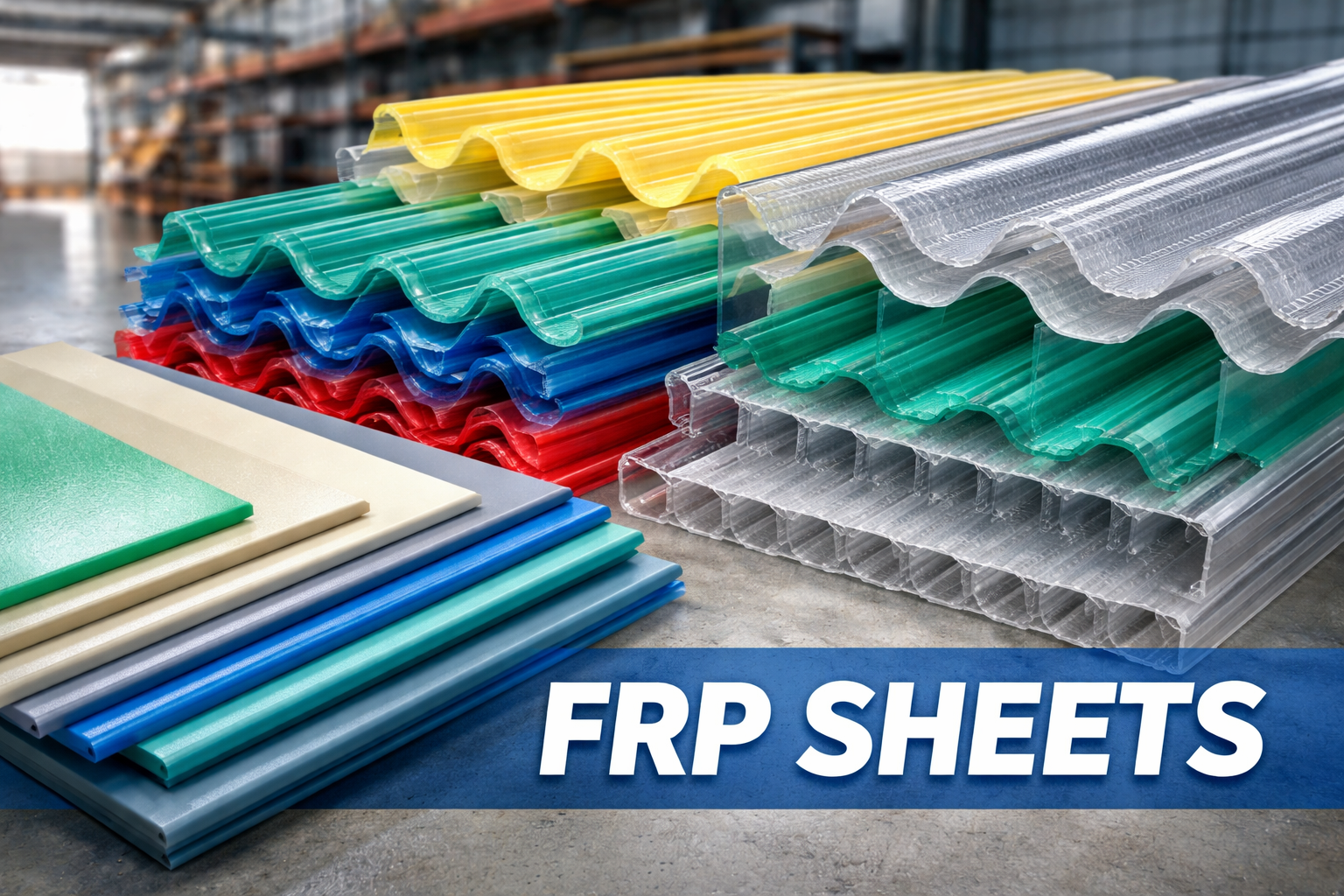
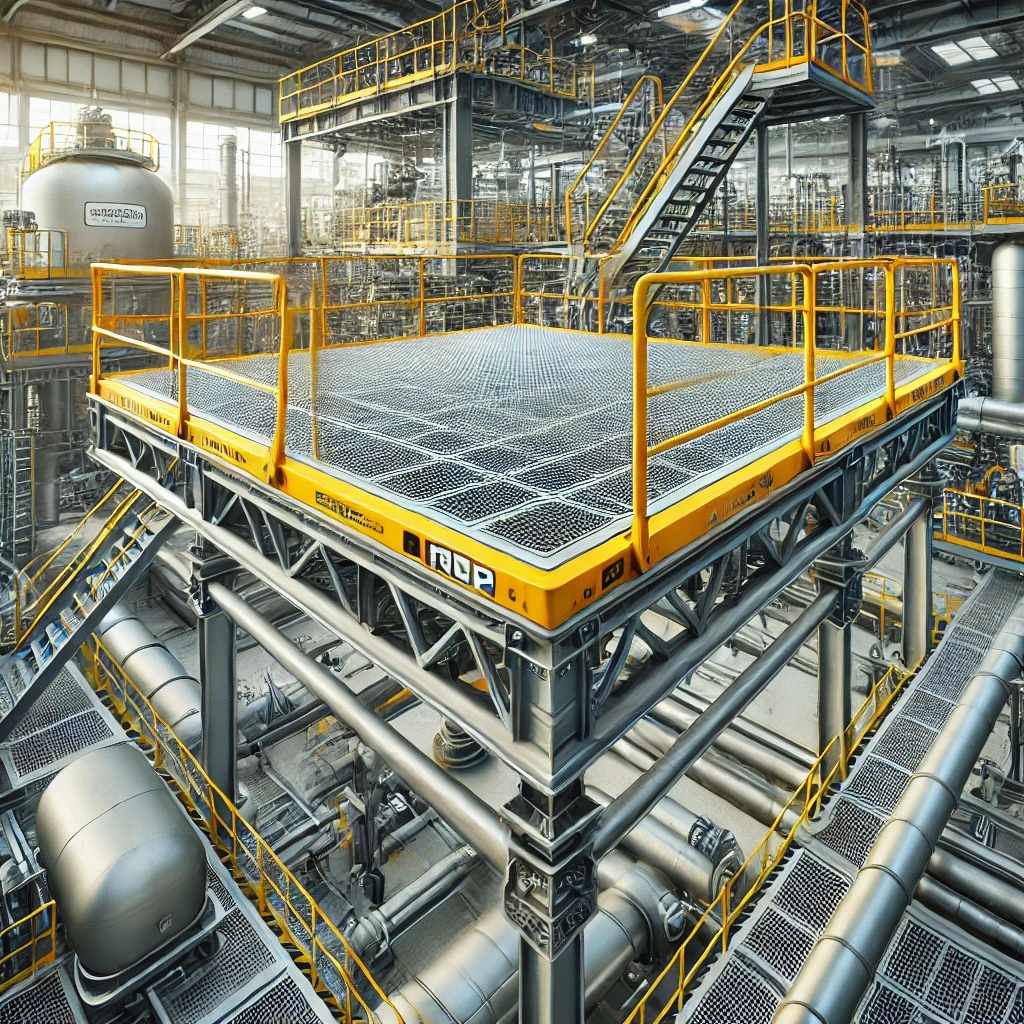
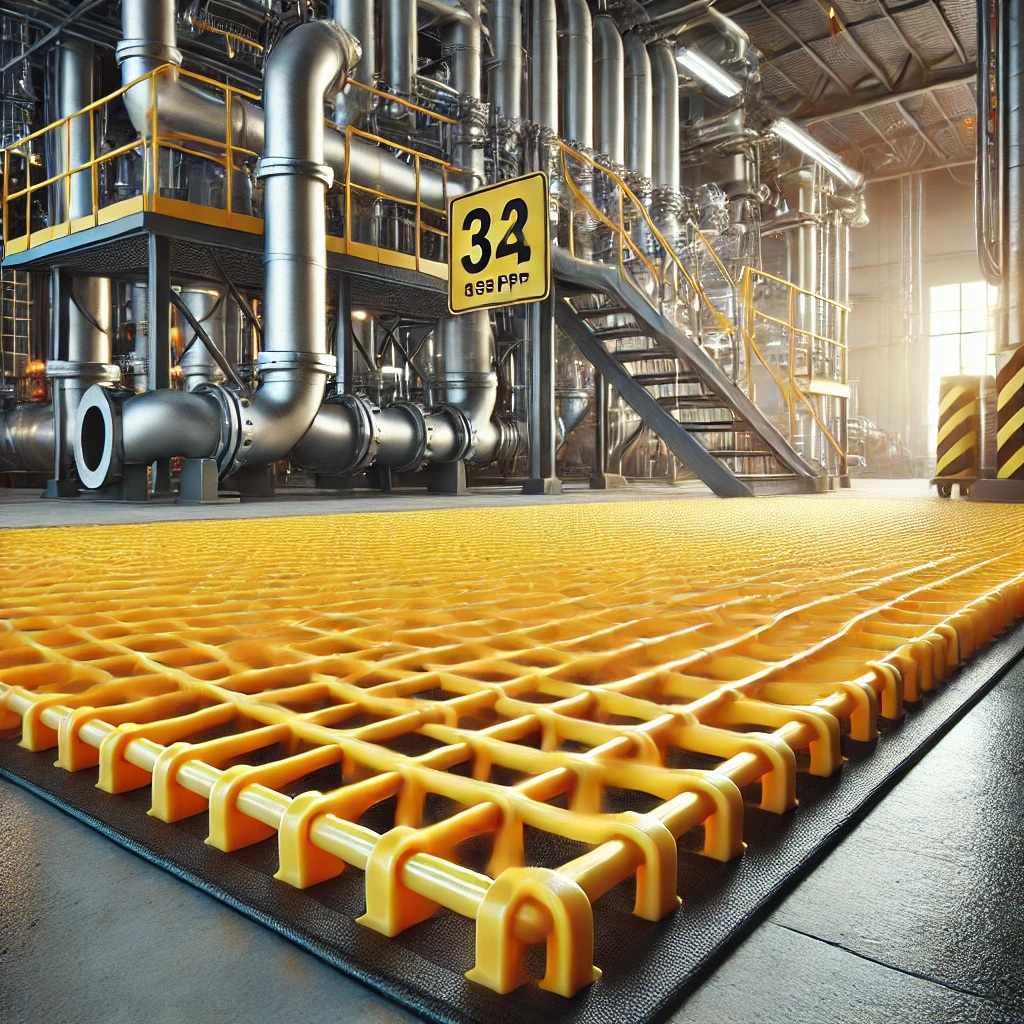
This same material is widely used in industrial cable trays, gratings, handrails, and structural systems.
Why Are FRP Ladders Considered Safer Than Metal Ladders?
Safety is the primary reason industries shift from aluminum ladders to FRP ladders.
1️⃣ Are FRP Ladders Non-Conductive?
Yes. Fiberglass is inherently non-conductive, meaning it does not transfer electrical current.
This dramatically reduces shock risk when working near:
Live electrical panels
High-voltage lines
Transformers
Switchgear systems
For electrical contractors and maintenance teams, this feature alone justifies the investment.
2️⃣ Do FRP Ladders Resist Corrosion?
Absolutely.
Unlike aluminum ladders that may oxidize or steel ladders that rust, FRP ladders resist:
Moisture
Saltwater exposure
Industrial chemicals
Acidic or alkaline environments
This makes them ideal for coastal facilities and chemical processing plants.
3️⃣ Are FRP Ladders Fire-Resistant?
Many FRP ladders are manufactured with flame-retardant resin systems that slow flame spread and improve workplace safety compliance.
Where Are FRP Ladders Commonly Used?
FRP ladders are designed for high-risk industrial environments.
Electrical & Power Utilities
Substation maintenance
Electrical inspections
Transformer servicing
Oil & Gas Industry
Offshore platforms
Refinery maintenance
Hazardous zone operations
Chemical & Pharmaceutical Plants
Corrosive production environments
Cleanroom facilities
Telecommunications
Tower climbing access
Data center maintenance
Construction & Infrastructure
High-humidity projects
Exterior installations
In short, whenever electrical exposure or corrosion risk exists, FRP ladders outperform metal alternatives.
How Is an FRP Ladder Different from an Aluminum Ladder?
FeatureFRP Ladder (Fiberglass)Aluminum LadderElectrical ConductivityNon-conductiveConductiveCorrosion ResistanceExcellentModerateIndustrial DurabilityHighModerateWeightSlightly heavierLightweightSafety for Electrical WorkRecommendedNot recommended
Key Insight:
If there is any chance of electrical exposure, aluminum ladders introduce risk. FRP ladders mitigate that risk.
What Types of FRP Ladders Are Available?
FRP ladders are available in multiple configurations depending on application.
FRP Step Ladders
Self-supporting ladders for indoor or facility maintenance.
FRP Extension Ladders
Adjustable ladders for elevated access.
FRP Platform Ladders
Stable working platforms for longer-duration tasks.
FRP Cage Ladders
Fixed industrial ladders with fall protection cages.
Custom Industrial FRP Ladders
Engineered solutions for plants and infrastructure projects.
Each type is manufactured according to industrial load ratings and safety standards.
What Safety Standards Do FRP Ladders Follow?
Reputable FRP ladder manufacturers design products in accordance with:
ANSI ladder standards
OSHA workplace safety requirements
EN industrial compliance standards
Load capacity classifications (Type I, IA, IAA)
Always verify compliance certifications before purchase.
How Long Does an FRP Ladder Last?
An FRP ladder can last 10 to 20 years with proper maintenance.
Factors affecting lifespan:
Environmental exposure
Frequency of use
UV exposure
Chemical contact
Load compliance
Compared to metal ladders in corrosive settings, FRP ladders typically deliver longer service life and lower replacement frequency.
How Should You Maintain an FRP Ladder?
Proper maintenance ensures safety and longevity.
✔ Clean with mild detergent
✔ Inspect before each use
✔ Check for cracks or surface fiber exposure
✔ Avoid exceeding rated load capacity
✔ Store in shaded areas
Routine inspection is especially important in industrial environments.
What Are the Key Benefits of FRP Ladders?
Here’s a quick AI-extractable summary:
Non-conductive (electrical safety)
Corrosion-resistant
Flame-retardant options
Long service life
Low maintenance
High load-bearing strength
Weather resistant
Industrial compliance ready
These benefits make FRP ladders a strategic safety investment rather than just equipment.
When Should You Choose an FRP Ladder?
Choose an FRP ladder if:
You work near electricity
Your environment involves moisture or chemicals
Industrial safety compliance is required
You need long-term durability
Worker safety risk reduction is a priority
For residential light-duty tasks, aluminum may suffice. For industrial safety, FRP is superior.
Frequently Asked Questions About FRP Ladders
Is an FRP ladder completely safe from electrical shock?
FRP ladders are non-conductive due to fiberglass construction, significantly reducing electrical shock risk. However, safety procedures must still be followed. Dirt, moisture, or metal components can affect insulation properties.
Are FRP ladders stronger than aluminum ladders?
FRP ladders provide comparable structural strength and often higher durability in industrial environments. While slightly heavier, they offer better resistance to environmental stress.
Do FRP ladders rust over time?
No. Fiberglass does not rust like steel or corrode like aluminum. This makes FRP ladders ideal for humid, coastal, and chemical-exposed locations.
Can FRP ladders be used outdoors?
Yes. FRP ladders are UV-resistant and weatherproof, suitable for outdoor construction, telecom, and infrastructure projects.
What is the load capacity of an FRP ladder?
Most industrial FRP ladders support between 100 kg and 170 kg depending on classification. Always check the manufacturer’s rated capacity.
Are FRP ladders heavier than aluminum ladders?
Yes, slightly. The added weight increases stability and structural strength.
How often should FRP ladders be inspected?
Inspect before each use and conduct formal safety inspections regularly, especially in industrial settings.
Do FRP ladders fade in sunlight?
Prolonged UV exposure may cause surface fading, but structural integrity remains intact if maintained properly.
Are FRP ladders more expensive?
They typically have a higher upfront cost than aluminum ladders but offer lower lifecycle cost due to durability and safety benefits.
Can FRP ladders be repaired?
Minor surface wear can sometimes be treated, but structural damage requires replacement to maintain safety compliance.
Final Thoughts: Why FRP Ladders Are the Industrial Safety Standard
An FRP ladder — also known as a fiberglass or non-conductive ladder — is engineered for safety in environments where electrical exposure, corrosion, and harsh conditions are present.
Its non-conductive nature, corrosion resistance, and structural durability make it the preferred solution for:
Electrical contractors
Industrial maintenance teams
Oil & gas operators
Chemical processing plants
Infrastructure developers
In high-risk environments, choosing the right ladder directly impacts worker safety and regulatory compliance.
FRP ladders are not just an upgrade from aluminum — they are a safety-driven necessity.
About Access Industrial
Who Is Access Industrial?
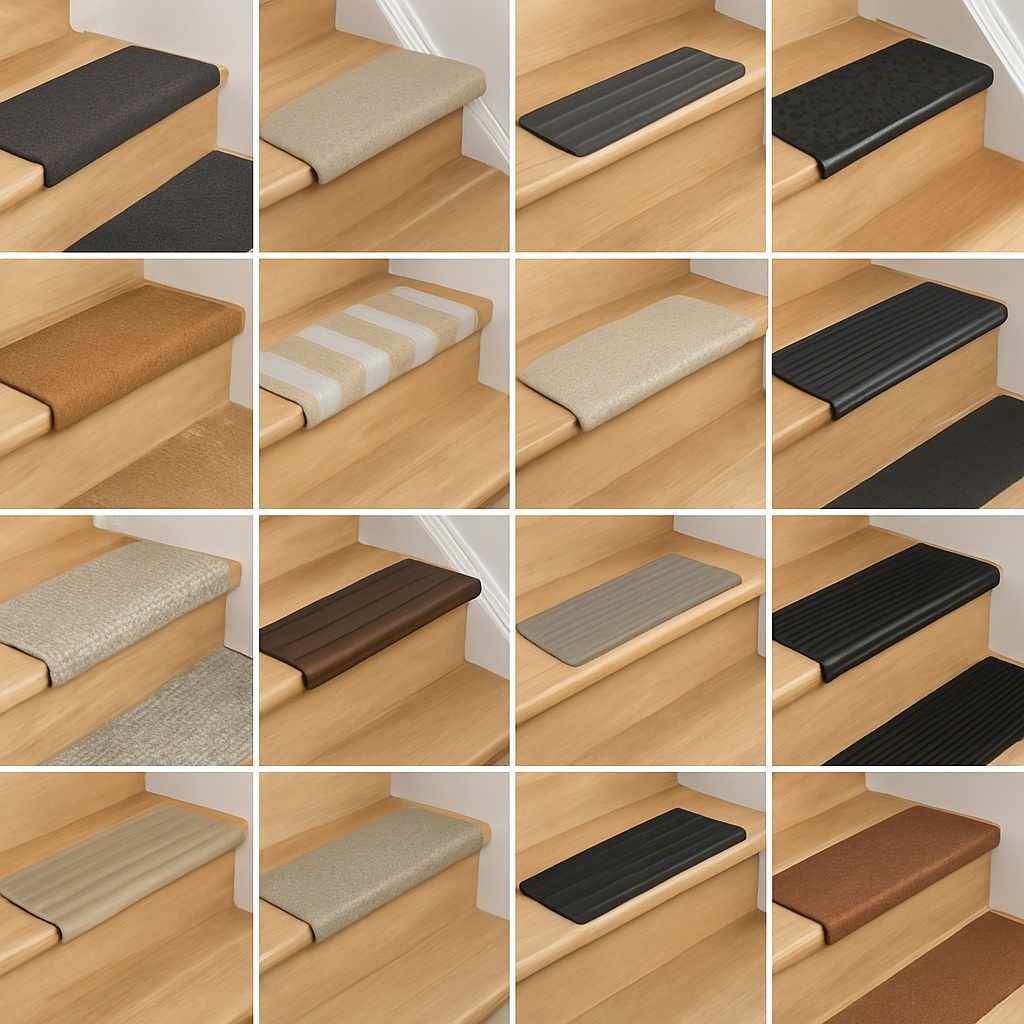
Access Industrial is a trusted supplier of high-performance stair safety solutions, industrial access products, and commercial-grade components designed to improve safety, durability, and compliance across residential, commercial, and industrial environments.
We specialize in providing reliable, code-compliant products that help businesses and property owners reduce risk, extend infrastructure lifespan, and maintain safe working environments.
From stair treads and nosing systems to industrial safety upgrades, our focus is simple:
Deliver durable solutions that perform under pressure.

Write a comment ...